
Global crude oil prices have been trending upward in recent months, reflecting a combination of tightening supply and persistent demand. Benchmarks such as Brent Crude and West Texas Intermediate have shown steady gains on price charts, signaling renewed pressure across the global energy market.
Thank you for reading this post, don’t forget to subscribe!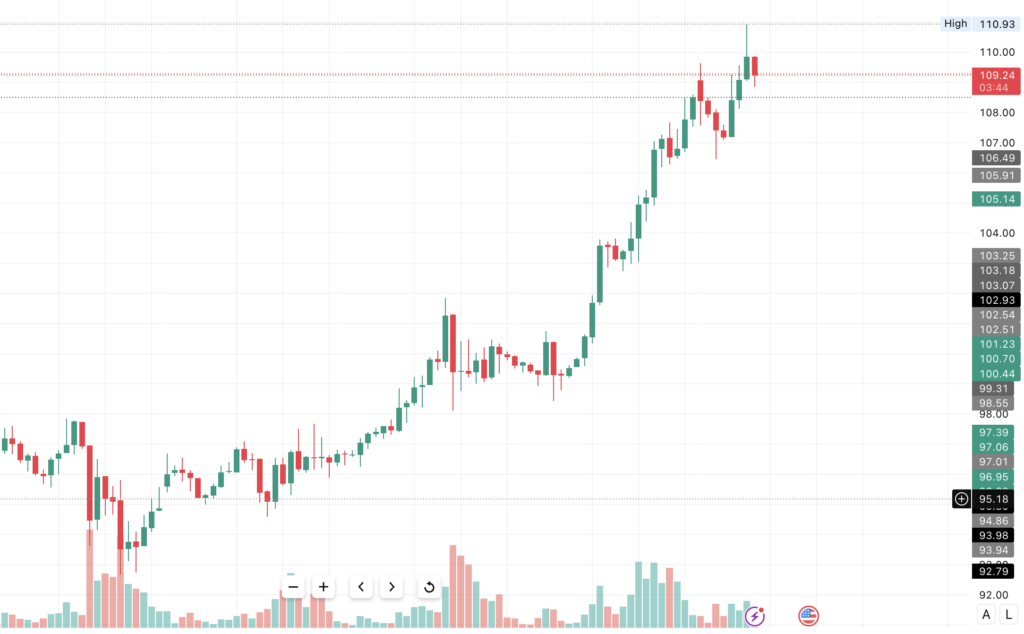
📈 What’s Driving the Price Increase?
Several factors are contributing to the upward movement:
- Supply Constraints: Production decisions by OPEC and its allies (OPEC+) have kept output relatively tight.
- Geopolitical Tensions: Conflicts and instability in oil-producing regions are creating uncertainty in supply chains.
- Demand Recovery: Post-pandemic economic activity, especially in emerging markets, has pushed demand higher.
- Currency Dynamics: A strong U.S. dollar can also influence oil pricing trends globally.
🌍 Global Impact: Rising Costs Across Sectors
The rise in oil prices has wide-reaching consequences:
- Inflation Pressure: Higher fuel costs increase transportation and manufacturing expenses, pushing up prices of everyday goods.
- Energy Bills: Households worldwide are likely to face higher electricity and fuel expenses.
- Economic Slowdown Risks: Countries heavily dependent on oil imports, like India, may see pressure on trade balances and currency stability.
🇺🇸 What Is the United States Doing?
The United States Department of Energy and the White House have taken a multi-pronged approach:
- Strategic Petroleum Reserve (SPR): The U.S. has previously released oil from its reserves to stabilize prices and may consider similar steps if needed.
- Domestic Production Push: Encouraging increased shale production to offset global supply shortages.
- Diplomatic Engagement: Working with oil-producing nations to ensure stable supply levels.
🔮 What to Expect Next
If current trends continue, oil prices may remain volatile in the near term. Analysts suggest that unless supply expands significantly or demand cools, the upward pressure could persist.
For consumers, this means continued strain on fuel budgets. For governments, it presents a policy challenge—balancing inflation control with energy security.
🛢️ Global Oil Prices Surge: What It Means for Economies, Consumers, and the U.S. Response
Global crude oil prices have been trending upward in recent months, reflecting a combination of tightening supply and persistent demand. Benchmarks such as Brent Crude and West Texas Intermediate have shown steady gains on price charts, signaling renewed pressure across the global energy market.
Current Oil Price Metrics (Approximate):
- Brent Crude (ICE): ~ $111.01 – $123.83/bbl
- WTI Crude (NYMEX): ~ $107.23 – $109.55/bbl
- Key Driver: Concerns over supply disruptions in the Strait of Hormuz and OPEC exit fears. tradingeconomics.com
Prices are highly volatile due to geopolitical instability and are changing rapidly.
📈 What’s Driving the Price Increase?
Several factors are contributing to the upward movement:
- Supply Constraints: Production decisions by OPEC and its allies (OPEC+) have kept output relatively tight.
- Geopolitical Tensions: Conflicts and instability in oil-producing regions are creating uncertainty in supply chains.
- Demand Recovery: Post-pandemic economic activity, especially in emerging markets, has pushed demand higher.
- Currency Dynamics: A strong U.S. dollar can also influence oil pricing trends globally.
🌍 Global Impact: Rising Costs Across Sectors
The rise in oil prices has wide-reaching consequences:
- Inflation Pressure: Higher fuel costs increase transportation and manufacturing expenses, pushing up prices of everyday goods.
- Energy Bills: Households worldwide are likely to face higher electricity and fuel expenses.
- Economic Slowdown Risks: Countries heavily dependent on oil imports, like India, may see pressure on trade balances and currency stability.
🇺🇸 What Is the United States Doing?
The United States Department of Energy and the White House have taken a multi-pronged approach:
- Strategic Petroleum Reserve (SPR): The U.S. has previously released oil from its reserves to stabilize prices and may consider similar steps if needed.
- Domestic Production Push: Encouraging increased shale production to offset global supply shortages.
- Diplomatic Engagement: Working with oil-producing nations to ensure stable supply levels.
🔮 What to Expect Next
If current trends continue, oil prices may remain volatile in the near term. Analysts suggest that unless supply expands significantly or demand cools, the upward pressure could persist.
For consumers, this means continued strain on fuel budgets. For governments, it presents a policy challenge—balancing inflation control with energy security.
Follow us – khabarfactory.com
Real time Oil Price – Check here